High-Performance Chemistries for Tank Cleaning,

Process Decontamination & Flow Assurance

Oil and gas operations face some of the most complex industrial cleaning challenges—ranging from heavy hydrocarbon contamination and paraffin buildup to hydrogen sulfide hazards, iron sulfide deposits, scale formation, and process system fouling.

Unlike conventional degreasing applications, tank and process cleaning often involves confined spaces, hazardous atmospheres, and critical production systems where chemistry must deliver effective cleaning while supporting operator safety, regulatory compliance, and system reliability.

Genesis Chemicals provides specialized cleaning and treatment solutions designed for both offline turnaround cleaning and online continuous system treatment, helping operators restore performance, improve flow efficiency, and reduce downtime across upstream, midstream, and industrial processing operations.

Offline Cleaning

Online Treatments

Powerlift-Genesis-Canada-Foaming-Agent-Well-Stimulation-Dispersant-Endless-Tubing

Built for Real-World Turnaround & Oil & Gas Tank Cleaning Demands

Oilfield and process systems commonly encounter:

  • asphaltene and paraffin buildup
  • sludge and hydrocarbon fouling
  • hydrogen sulfide (H₂S) and LEL hazards
  • iron sulfide contamination
  • scale and mineral deposition
  • emulsions, foaming, and water handling issues
  • restricted flow and reduced process efficiency

Different contamination types—and different operating conditions—require specialized chemistry designed for either active process treatment or shutdown cleaning.

Genesis Chemicals solutions are designed for:

  • production vessels and separators
  • glycol systems and process loops
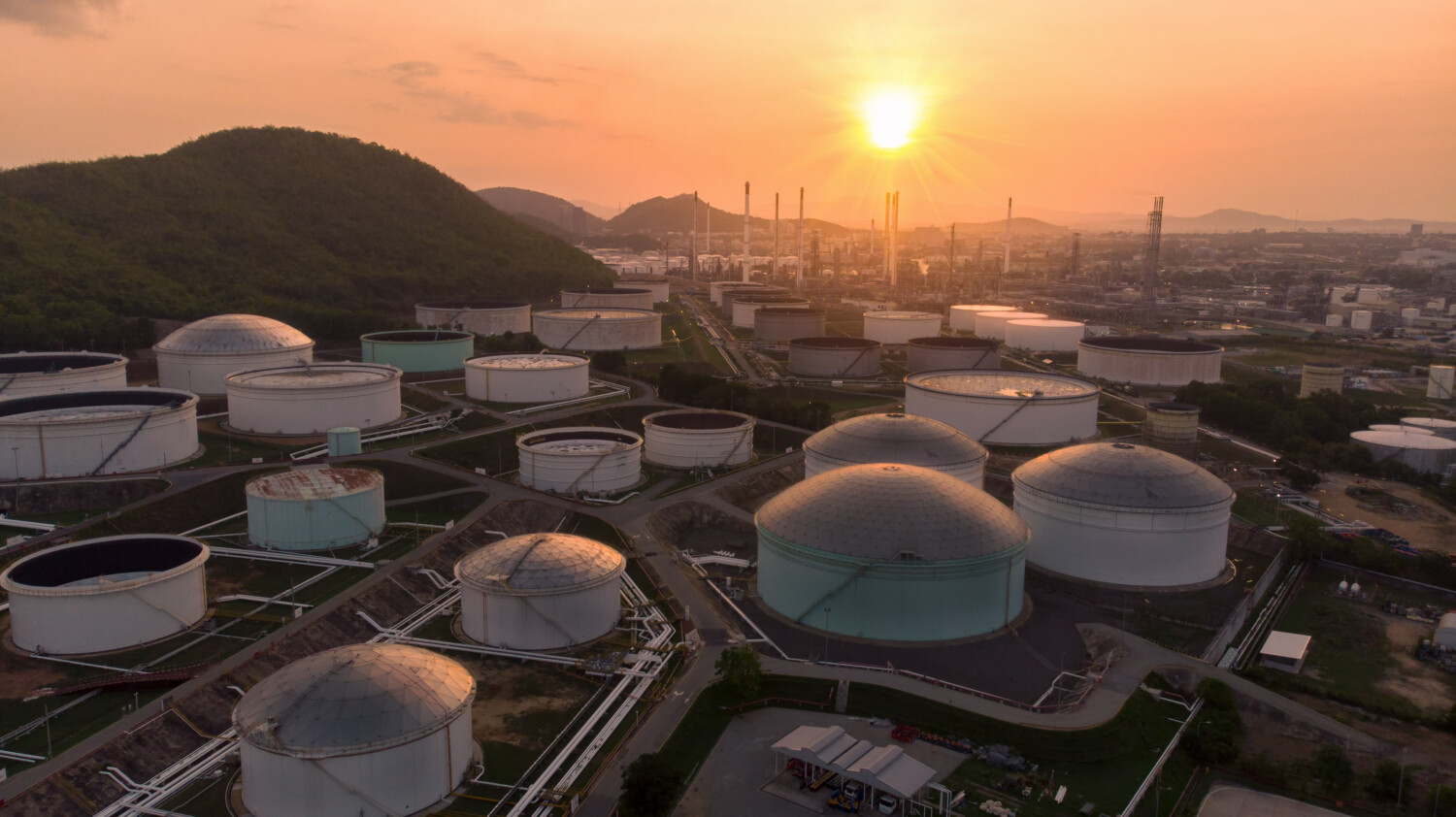
  • storage tanks and tank farms
  • pipelines and flowlines
  • refining and processing facilities
  • water treatment and handling systems

These products are engineered to perform in demanding industrial environments where safety, speed, and operational reliability are critical.

Challenges in Tank Cleaning & Process System Maintenance

Industrial tank and process cleaning operations present unique challenges compared to other industries:

  • Heavy, layered hydrocarbon / bitumen deposits that resist standard cleaners
  • Iron sulfide formation in sour gas environments
  • Confined-space safety requirements and vapor exposure risks
  • Need for full system circulation without disassembly
  • High variability in contamination types across facilities
  • Maintaining production uptime wherever possible

Without the right chemistry, operators face increased downtime, incomplete cleaning, and higher labor and maintenance costs.

Choosing the Right Tank Cleaning Chemistry

The ideal oil & gas tank cleaning program depends on:

  • type of contamination (paraffin, asphaltenes, sludge, iron sulfide)
  • system type (tank, glycol loop, separator, vessel)
  • system status (offline shutdown vs active operation)
  • cleaning method (circulation, batch soak, spray, flush)
  • safety requirements and personnel exposure risks

A properly engineered system ensures:

  • effective breakdown of heavy hydrocarbon deposits
  • safe circulation and contaminant suspension
  • reduced re-deposition during cleaning
  • improved turnaround efficiency and system reliability
  • safer confined-space operations
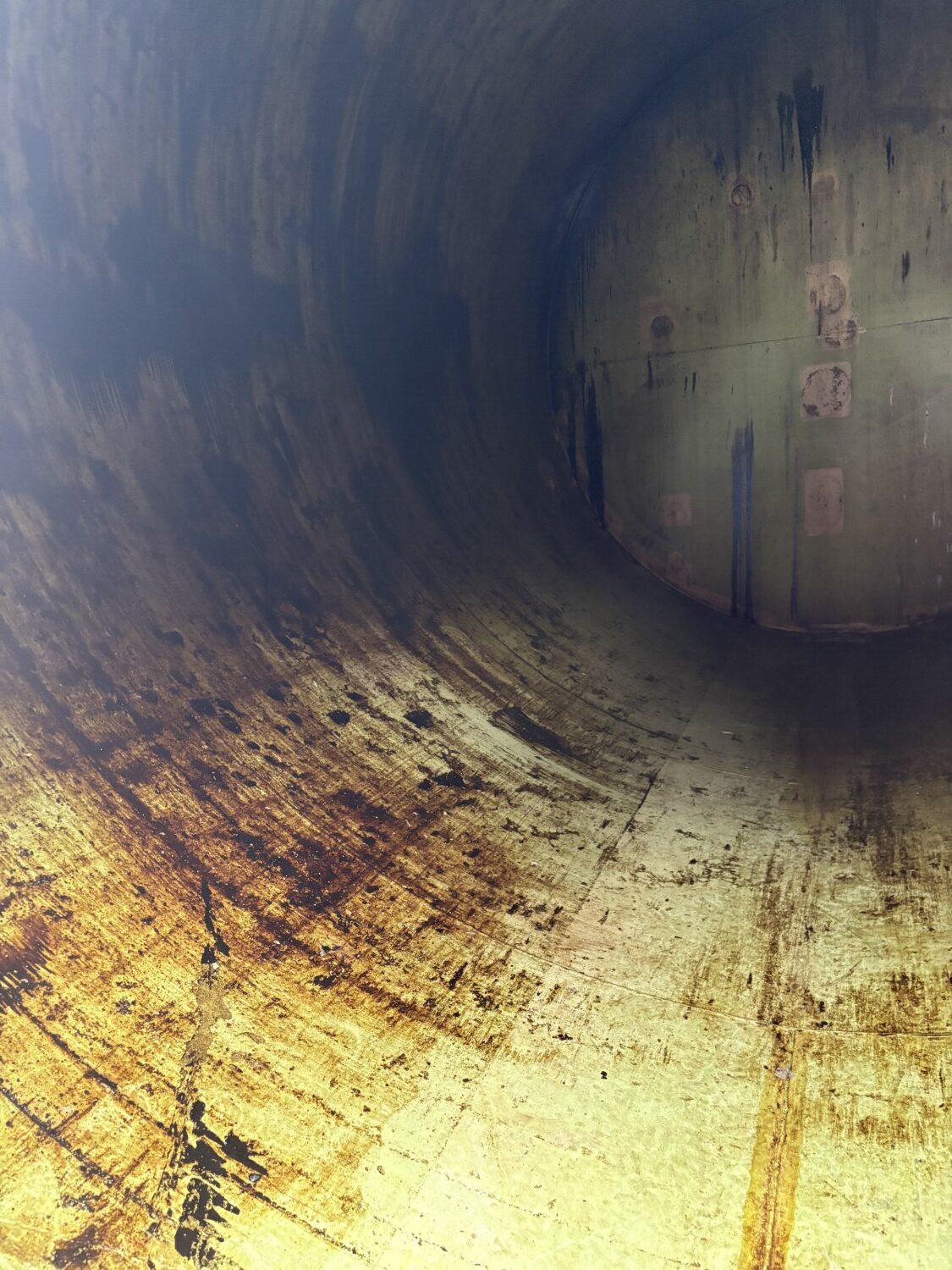
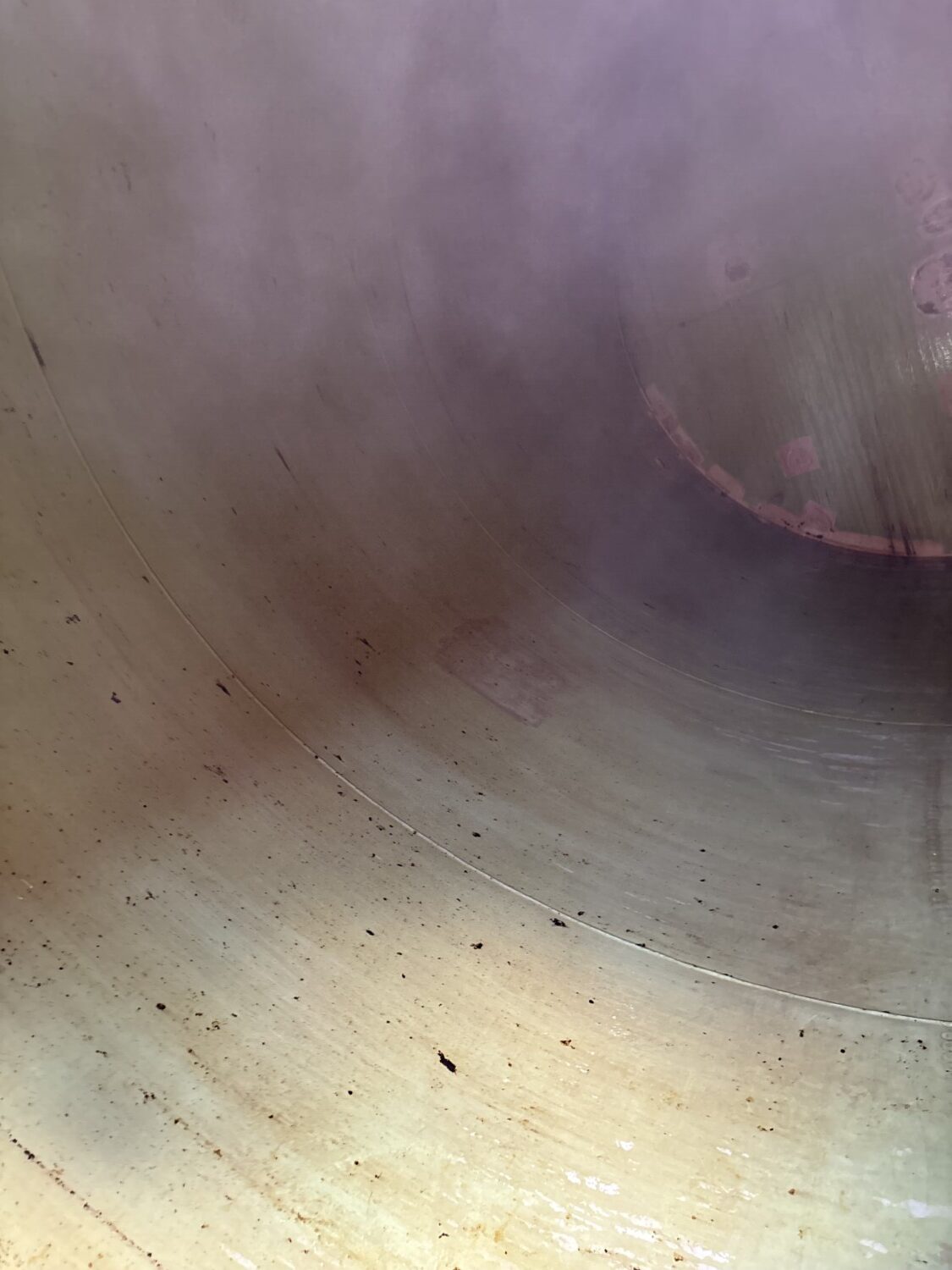
Dynasol Ultra Duty Degreaser product demonstration before inside of industrial tank Dynasol Ultra Duty Degreaser product demonstration after inside of industrial tank

The Genesis Chemicals Cleaning & Treatment Systems for

Oil & Gas Tank Cleaning & Process Operations

Effective cleaning depends on using the right chemistry for each contamination type and stage of removal:

Offline Cleaning

(Shutdowns, Turnarounds & System Restoration)

When vessels, tanks, and process systems are taken offline for maintenance, operators have the opportunity to perform aggressive cleaning and decontamination to remove hazardous gases, hydrocarbon deposits, mineral buildup, and flow restrictions.

These oil & gas tank cleaning applications often involve circulation cleaning, chemical soaking, pressure washing, and targeted flushing.

LEL Scavenger Vapour Supression

Vapor Phase Decontamination

(H₂S & LEL Hazard Reduction)

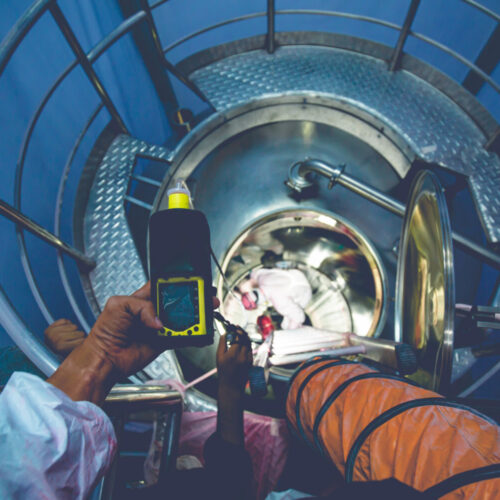
Before personnel can safely enter tanks or confined spaces, hazardous vapors must often be neutralized or reduced to safe working levels. Vapor-phase scavengers are used to rapidly treat hydrogen sulfide (H₂S) and lower explosive limit (LEL) risks among others, improving safety during shutdown and turnaround operations.

Recommended Products:

SourTreat XL – High-Concentration H₂S Scavenger

  • Rapidly neutralizes hydrogen sulfide vapor hazards
  • Supports safer confined-space entry
  • High-concentration treatment for demanding applications
  • Suitable for tanks, vessels, and enclosed systems

Eliminator HF – LEL Scavenger & Vapor Suppressor

  • Reduces hydrocarbon vapor concentration and LEL risk
  • Helps improve operational safety during cleaning and maintenance
  • Effective in enclosed tanks and process systems

Solvent & Surfactant Degreasing

(Hydrocarbon, Bitumen & Sludge Removal)

Heavy hydrocarbon fouling, paraffin deposits, sludge, and process residues require high-performance solvent and surfactant chemistries capable of penetrating, softening, and suspending contamination for removal.

Cleaning is typically performed through circulation, soaking, or pressure-assisted cleaning.

Recommended Products:

Predator – Glycol System Cleaning Chemistry for Recirculation Cleaning

  • Designed for recirculating system cleaning
  • Formulated for No-Man-Entry and ATCM processes
  • Removes hydrocarbons, sludge, and process contamination
  • Ideal for turnaround and in-place system cleaning operations
  • Single component system designed with free rinsing agents

Maverick – Asphaltene, Paraffin & Bitumen Solvent

  • Breaks down heavy hydrocarbon deposits
  • Designed for tank, vessel, and production system cleaning
  • Effective on wax, bitumen, and asphalt-like buildup
  • Compatible with Gamajet systems

Prosolve LO – Industrial Degreaser with Increased User Safety

  • Strong solvency with reduced operator exposure concerns
  • Lower-odor formulation for enclosed cleaning environments
  • Ideal where user safety is a key priority
Predator Water Dilutable glycol system cleaning chemical Degreaser
Oil & Gas Tank Cleaning & Process Systems - Acid bubbles

Acid Flushing for Scale & Deposit Removal

(Descaling & System Restoration)

Process systems often develop scale, mineral buildup, and bonded inorganic deposits that reduce efficiency, restrict flow, and impact overall heat transfer and operational performance. Acid cleaning programs are used to dissolve these deposits and restore system functionality by breaking down mineral bonds that cannot be removed through alkaline or surfactant-based cleaning alone.

In many industrial cleaning programs, acid treatment is also used as part of a controlled multi-stage cleaning cycle. After an initial alkaline cleaning phase—used to remove oils, greases, hydrocarbons, and organic soils—the system surface chemistry can remain temporarily elevated in pH. A subsequent acid flush helps not only remove remaining mineral scale and inorganic residues, but also assists in bringing system surfaces and residual solution chemistry back toward a more neutral state, supporting proper rinsing, system balance, and preparation for return to service.

This two-stage approach (alkaline clean followed by acid descaling) is commonly used in process systems, tanks, and circulation loops to ensure both organic and inorganic contamination are fully addressed.

Recommended Products:

Acid-Klenz Plus – CIP Acid Cleaner

  • Removes mineral scale and inorganic buildup
  • Suitable for controlled CIP and circulation cleaning programs
  • Effective in tanks, process lines, and closed-loop systems
  • Supports restoration of system efficiency and flow performance

AS-100 Inhibited Hydrochloric Acid (HCl)

  • High-strength descaling for severe mineral deposits
  • Inhibited formulation to reduce equipment and personnel corrosion risks during cleaning
  • Used in aggressive restoration and heavy-scale removal applications

Acetic Acid (Glacial)

  • Alternative acid treatment for selected cleaning programs
  • Useful where material compatibility or controlled descaling is required
  • Supports more targeted or specialized cleaning applications

Iron Sulfide Removal

(FeS Cleaning & Sulfide Deposit Breakdown)

Iron sulfide (FeS) deposits can form in oil and gas production and process systems as a result of corrosion reactions involving iron and hydrogen sulfide (H₂S). These deposits are particularly problematic because they can contribute to under-deposit corrosion, fouling, reduced heat transfer efficiency, and in some cases hazardous reactions when exposed to oxygen during maintenance or shutdown activities.

Effective removal requires targeted chemical treatment designed to break down and destabilize bonded sulfide structures, allowing them to be safely dispersed and removed from the system while reducing operational and safety risks.

Recommended Products:

Goose – Iron Sulfide Removal Chemistry

  • Targets bonded iron sulfide deposits
  • Helps restore system cleanliness and operational safety
  • Designed for difficult sulfide contamination challenges
Goose - Genesis Canada Iron Sulfide dissolver for sour systems, gas wells, crude oil tanks, API Separators, and more.

Online Treatments

(Flow Assurance & Continuous Dosing)

Not all contamination requires shutdown cleaning. Many oil and gas systems benefit from continuous chemical treatment programs designed to prevent buildup before it occurs. These online applications help maintain consistent flow, reduce deposition rates, and support stable system operation under varying production conditions.

Maverick - Tank Cleaning Solvent for Asphaltenes & Paraffin | Maverick

Asphaltene, Paraffin & FeS Control

(Continuous Deposit Prevention)

Asphaltene and paraffin precipitation are common flow assurance challenges in crude oil production and transportation systems. These deposits can accumulate in pipelines, separators, and production equipment, restricting flow, increasing pumping costs, and contributing to unplanned downtime.

Continuous chemical treatment helps inhibit deposit formation and maintain stable hydrocarbon flow conditions, particularly in systems with changing temperature, pressure, or crude composition.

Recommended Products:

Maverick – Continuous Asphaltene & Paraffin Treatment

  • Helps inhibit and control hydrocarbon deposition in active systems
  • Supports improved flow assurance and operational stability
  • Suitable for continuous injection and dosing programs
  • Reduces buildup in pipelines, separators, and production equipment

Goose – Continuous Iron Sulfide Prevention Treatment

  • Helps inhibit and control iron sulfide (FeS) and mineral deposition in active systems

  • Suitable for continuous injection and downhole dosing programs

  • Maintains the active iron sulfide in a stable solution to prevent deposition

Dispersants, Demulsifiers & Water Treatment

(Water Handling & System Stability)

Produced water and process water systems often contain a mixture of suspended solids, hydrocarbons, emulsified oils, and foam that can negatively impact separation efficiency and downstream processing. Proper chemical treatment is required to maintain system stability, improve phase separation, and support reliable water handling performance. High-efficiency phase separation allows for maximum slop oil recovery and reduced disposal costs.

Recommended Products:

Mudslide – High Performance Dispersant

  • Breaks apart sludge, silt, and suspended solids
  • Converts compacted material into flowable particles
  • Improves drainage, separation, and system throughput

X-Foam – Industrial Antifoam Agent

  • Controls foam formation in process and water systems
  • Improves separation efficiency and process stability
  • Supports smoother operation in treatment and handling systems

Custom Flocculants & Separation Aids

  • Tailored chemistry for solids aggregation and removal
  • Supports improved settling and separation performance
  • Available for specific process water treatment requirements
Oil & Gas Tank Cleaning & Process Systems - Water Treatment
Oil & Gas Tank Cleaning & Process Systems - Acid bubbles

Scale & Corrosion Management

(Preventative System Protection)

Scale formation and corrosion are long-term challenges in oil and gas production and processing systems. Scale deposits can restrict flow and reduce heat transfer efficiency, while corrosion can compromise equipment integrity and lead to premature system failure.

Preventative chemical programs are used to minimize these risks by controlling scale formation and inhibiting corrosion reactions within the system. These treatments are typically applied continuously or on a scheduled dosing basis to maintain long-term system reliability and extend asset life.

Treatment Programs Available by Request Only:

  • Scale inhibitor solutions designed to reduce mineral deposition in production systems
  • Corrosion inhibitor programs to protect pipelines, vessels, and equipment surfaces
  • Custom treatment recommendations based on system chemistry, water composition, and operating conditions

Not Sure Which Tank Cleaning or Process Treatment Solution Fits Your Operation?

Choosing the right chemistry depends on:

  • contamination type and severity
  • whether the system is online or offline
  • cleaning method and operational constraints
  • material compatibility and safety requirements

Explore the treatment options above or contact our team for help building a complete tank cleaning or process treatment program tailored to your operation.

Related Degreaser Systems

Workshop degreasers and cleaners are just one of our many specialties. Depending on your operation, other systems may be more suitable: