
High-Performance Heat Transfer Fluids, Dehydration Media

& Climate Control Chemistry

In high-demand industrial systems, thermal management is the boundary line between operational uptime and catastrophic mechanical failure. Every climate control loop, gas processing plant, and heavy equipment fleet operates under distinct thermodynamic and metallurgy constraints. By shifting away from standard commodity fluids and utilizing advanced, application-specific inhibitor chemistries alongside premium-grade raw base stocks, operators and builders can improve efficiency as well as long-term costs.

At Genesis Chemicals, we engineer comprehensive fluid solutions that address the root causes of system inefficiency, fluid degradation, and accelerated infrastructure wear. From high-efficiency industrial chillers and commercial HVAC loops to midstream natural gas dehydration and heavy-duty transport fleets, our glycol and thermal management solutions are engineered to optimize heat transfer efficiency, guarantee system flow assurance, and provide elite infrastructure asset protection.

We deliver custom-blended and site-ready glycol solutions tailored to the strict environmental, mechanical, and thermal demands of Western Canada’s industrial sectors. We are here to help you solve your most critical heat transfer challenges—including sub-zero line freezing, mineral scaling, internal loop corrosion, and fluid oxidation—ensuring your mechanical infrastructure performs at peak efficiency regardless of seasonal extremes.


Dynatherm - Genesis Canada Inhibited Ethylene Glycol based Heat Transfer Fluid. Coolant for radiant heat, boilers, HVAC systems, and cooling units.

Our Core Glycol Formulations

We manufacture and distribute three primary classes of thermal management fluids, each precisely calibrated for specific thermodynamic and process constraints:

Ethylene Glycol (EG)

Engineered for industrial process loops where thermal efficiency, low fluid viscosity, and extreme sub-zero temperature protection are the primary requirements. EG offers superior heat transfer coefficients but is restricted to systems isolated from food processing or potable water lines.

Propylene Glycol (PG)

The industry standard for commercial HVAC networks, building hydronic loops, cosmetic, pharmaceutical, and environmental or food-proximity systems. PG provides robust burst and freeze protection with a low acute oral toxicity profile that aligns with modern environmental and structural compliance codes.

Triethylene Glycol (TEG)

A high-affinity, ultra-hygroscopic fluid optimized specifically for midstream natural gas dehydration systems. TEG aggressively strips vaporous moisture and VOCs from natural gas streams, preventing hydrate formation, line freezing, and internal pipeline corrosion.

Thermal Management Solutions by Industry Sector

Select your operational sector below to explore dedicated application guides, fluid selection criteria, and specialized product configurations:

Ethylene Glycol vs Propylene Glycol:

The Commercial HVAC Fluid Selection Guide

Protect your facility’s infrastructure against extreme season shifts while optimizing energy consumption.

  • Core Focus: Institutional freeze/burst protection, closed-loop boiler systems, cooling tower maintenance, and metallurgy passivation.
  • See on This Page: Learn more about the Propylene vs. Ethylene debate and balancing thermal performance with environmental toxicity codes.

  • Featured Systems: Multi-metal HVAC configurations, aluminum heat exchangers, solar thermal grids, and geothermal loops.

Oilfield & Midstream Processing Glycols:

Flow Assurance & Thermal Fluids

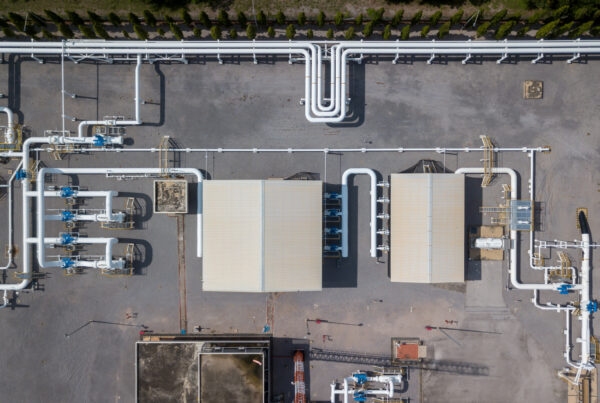
Maintain uninterrupted flow assurance, maximize gas dehydration efficiency, and protect high-load station machinery and compressors.

  • Core Focus: Continuous natural gas moisture extraction, high-temperature process chilling, and heavy-duty stationary engine cooling.
  • See on This Page: Discover how targeted additive packages prevent wet cylinder liner cavitation, eliminate scaling, and reduce mechanical downtime.

  • Featured Systems: Natural gas dehy units (TEG lines), indirect fired line heaters, and stationary industrial compressor jackets.

Heavy-Duty Fleet Coolants & Commercial Transport Antifreeze Hub

Extend the service life of heavy transport equipment with extended life antifreeze fluids. Learn which types of coolant are designed for heavy duty freight liners and fleets.

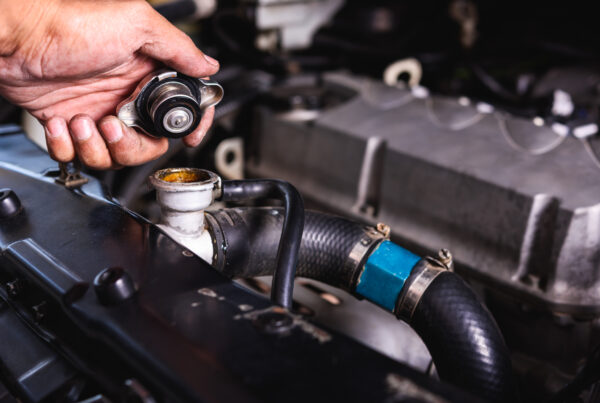
  • Core Focus: Bulk fleet coolant management, high-mileage cooling system stability, and immediate mechanical component passivation.
  • See on This Page: Explore how Hybrid Organic Acid Technology (HOAT) bridges the gap between extended-life fluids and immediate multi-alloy water pump protection.

  • Featured Equipment: Heavy-duty diesel freight liners, municipal service fleets, construction machinery, and mixed-vehicle yards.

Why B2B Operations Choose Genesis Chemicals

Custom Concentration Blending: All glycol formulations are available in standard concentrates or pre-diluted with ultra-pure deionized water to match your exact structural freeze-point requirements.

Western Canadian Logistics: Benefit from reliable bulk tanker deliveries, intermediate bulk containers (IBC totes), and flexible commercial packaging directly from our regional supply network.

Specialty Inhibitor Packages: Off-the-shelf glycols use a one-size-fits-all approach that leaves sensitive alloys vulnerable to scaling and corrosion under thermal stress. We engineer Specialty Inhibitor Packages tailored specifically to your system’s metallurgy. From traditional phosphate packages for heavy-duty steel protection, low conductivity variants, to next-generation, phosphate-free formulas for high-efficiency aluminum heat exchangers, our custom-blended chemistry passivates internal surfaces to maximize heat transfer efficiency and extend equipment service life.


Not Sure Which Glycol Formulation Fits Your Operation?

Selecting the wrong thermal management fluid can lead to expensive operational downtime, equipment failure, or compliance violations. Whether you are balancing the toxicity constraints of Ethylene versus Propylene glycol, optimizing moisture extraction in a midstream natural gas dehy unit, or looking to consolidate inventory across a mixed transport fleet, our technical team is here to take the guesswork out of fluid engineering.


Frequently Asked Questions

Q: What sizes and distribution methods are available for bulk glycol orders?

A: To support operations ranging from small facility maintenance to large-scale industrial turnarounds, we supply our glycol fluids in 20L Pails, 205L Drums, 1000L Totes, and via bulk tanker transport delivery directly to your job site or facility.

Q: Can you cutom blend inhibitors or concentrations based on our specific engineering requirements?

A: Yes. We specialize in custom chemical blending. Whether your system blueprints dictate a phosphate-free, multi-metal composition for aluminum safety or a heavy inorganic package for maximum steel passivation, our laboratory can deliver site-ready chemistry built to your engineering specifications.

Q: How do I determine whether my facily requires and ethylene or propylene base?

The choice fundamentally balances thermal efficiency against system location safety. Ethylene Glycol delivers elite heat transfer capabilities and lower pumping costs at extreme sub-zero temperatures but cannot be used if there is any risk of contact with potable water or food lines. Propylene Glycol is universally specified for commercial HVAC and institutional plumbing due to its low-toxicity profile.